Danelia's Wine
Our wine is our history, and our history is our honour.
 43 Zviad Gamsakhurdia St, Batumi, Georgia
 +995 514 637 799


"Our wine is our history, and our history is our honour." — the ancestral tradition of one family across several generations, since 1907.
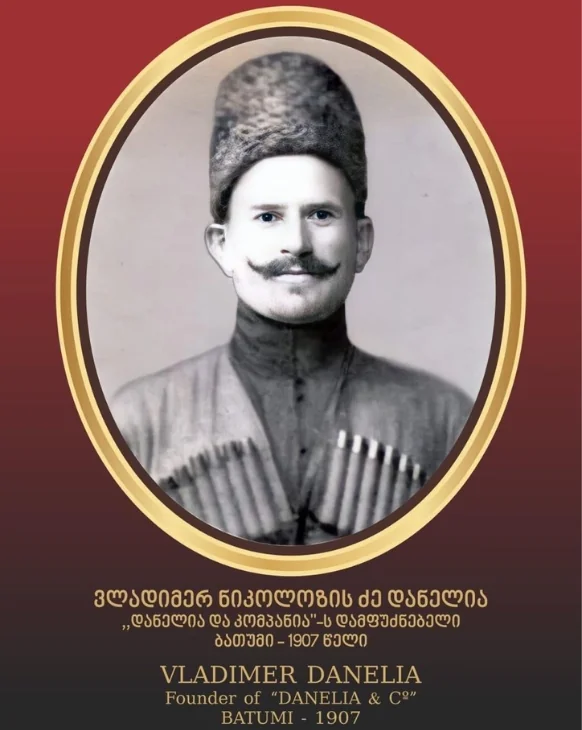
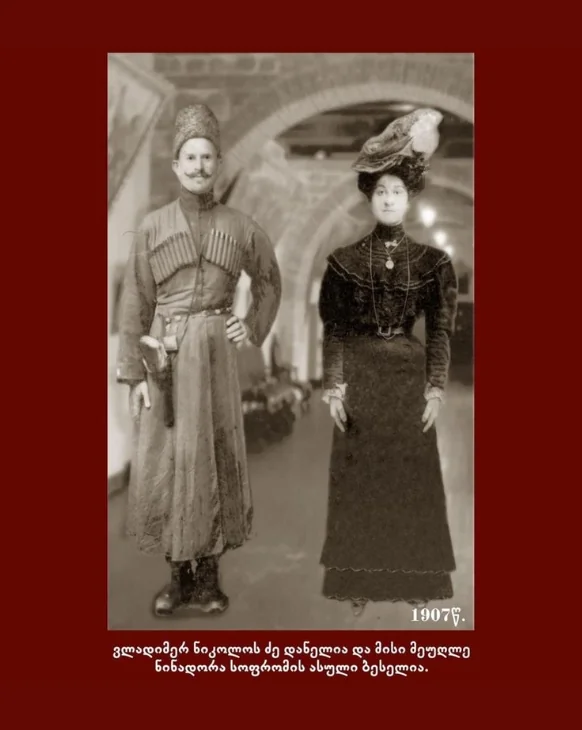
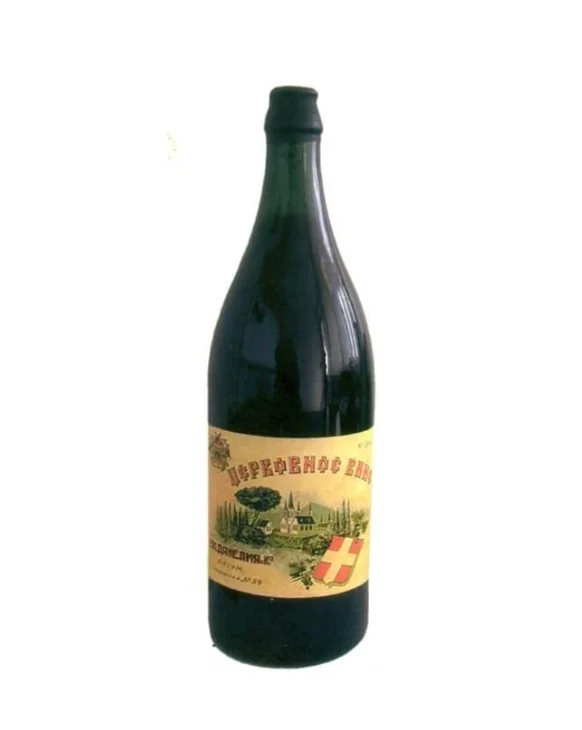
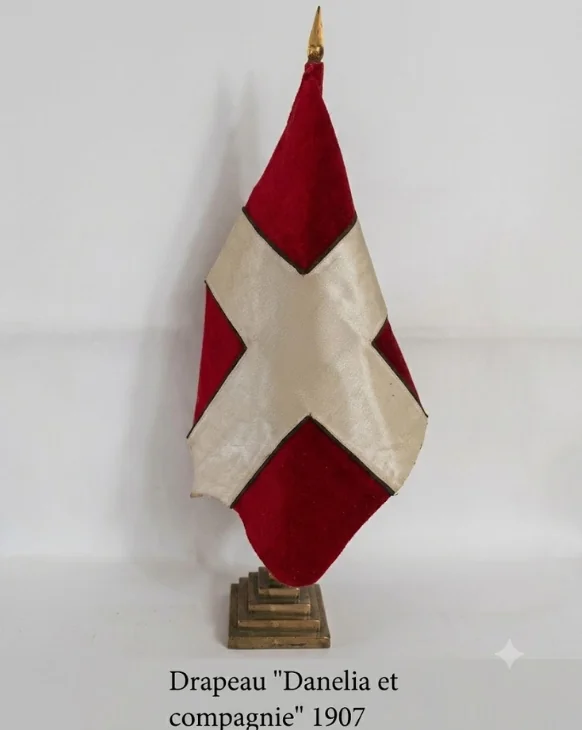
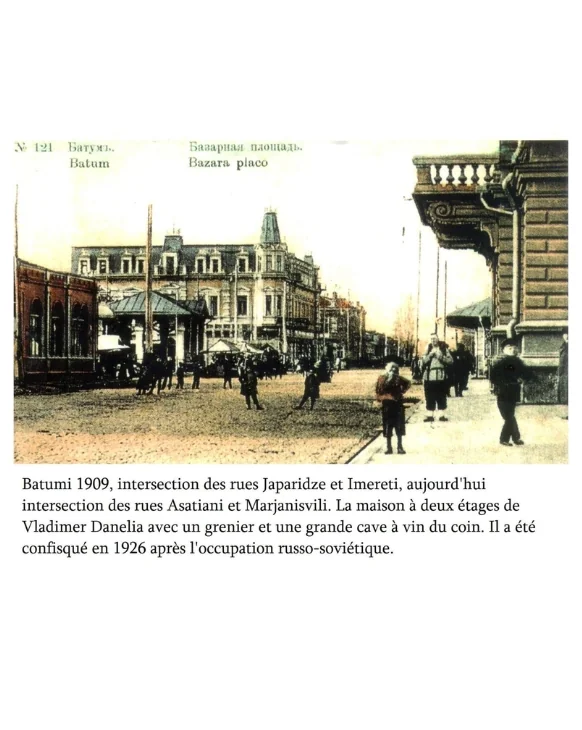
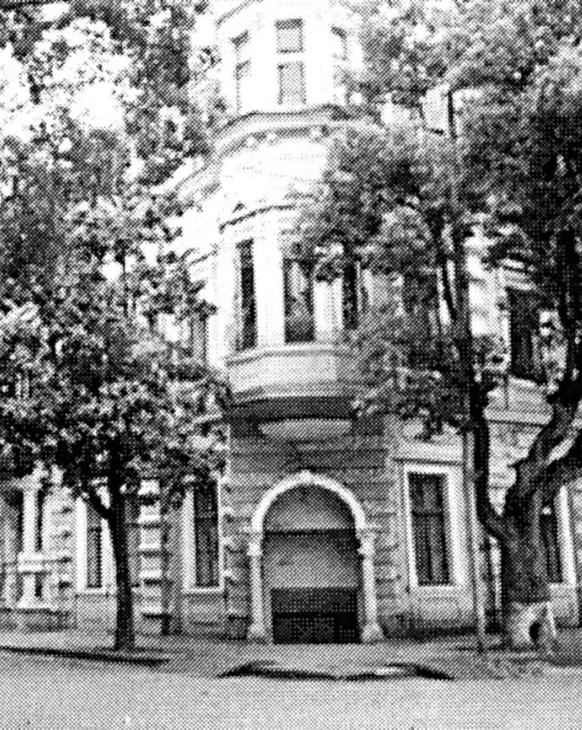
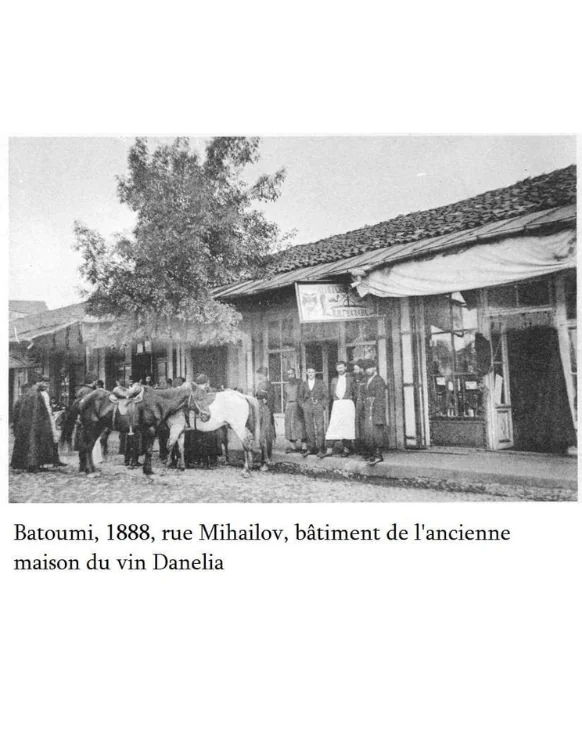
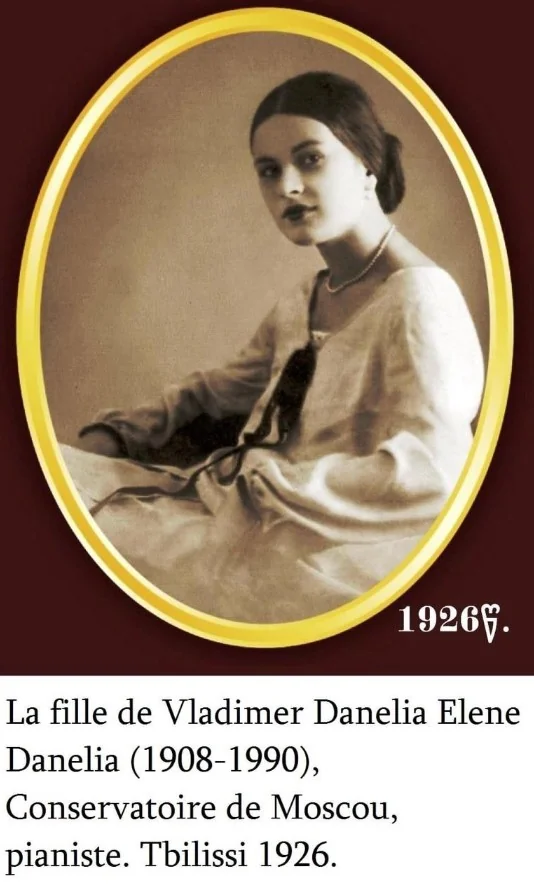
In Georgia, in the region of Samegrelo (the territory of ancient Colchis, today's Martvili), Nikoloz Danelia (1843–1929) taught his son Vladimer (1879–1975) to love the vine from childhood and passed on to him the family's winemaking craft.
This branch of the Danelia family is one of the oldest Megrelian dynasties, tracing its roots to the 13th–14th centuries. Modern genetic research (Y-DNA testing, haplogroups G2a and J2) has scientifically confirmed their direct link to the ancient Colchian civilisation — the people who laid the foundations of winemaking millennia ago.
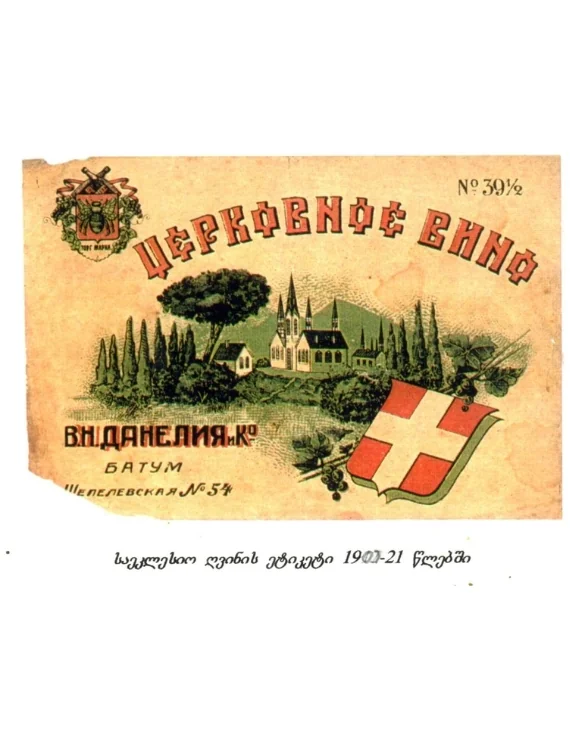
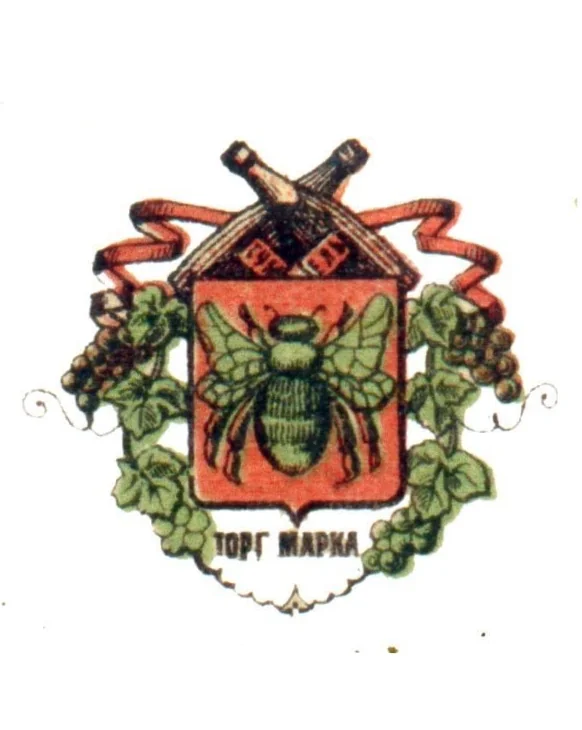
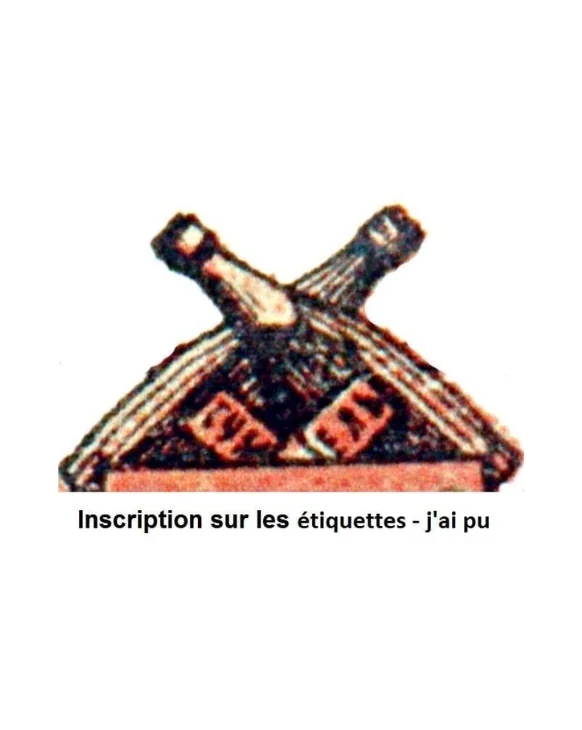
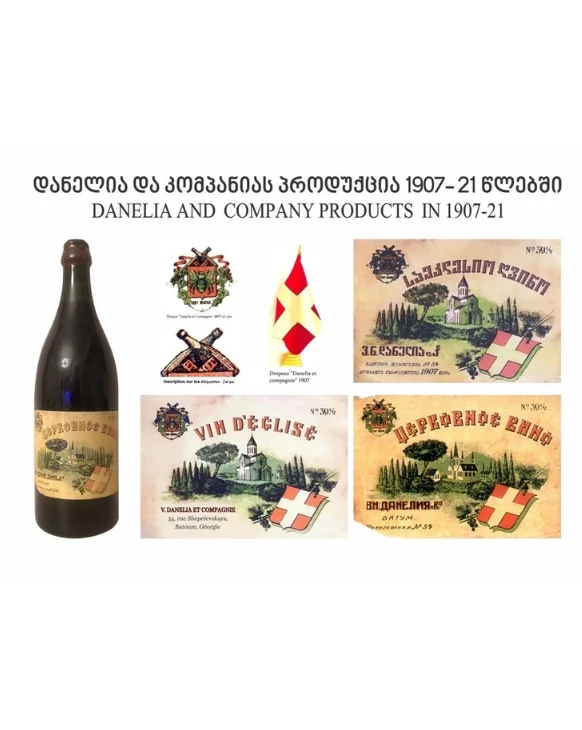
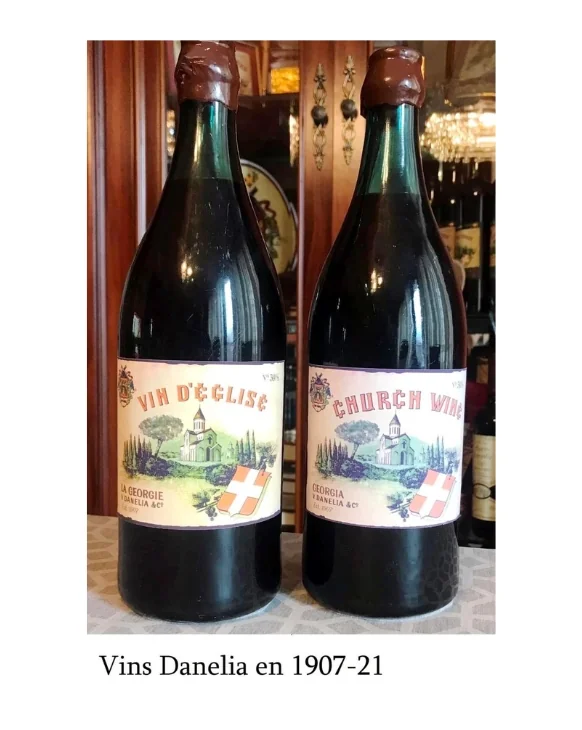
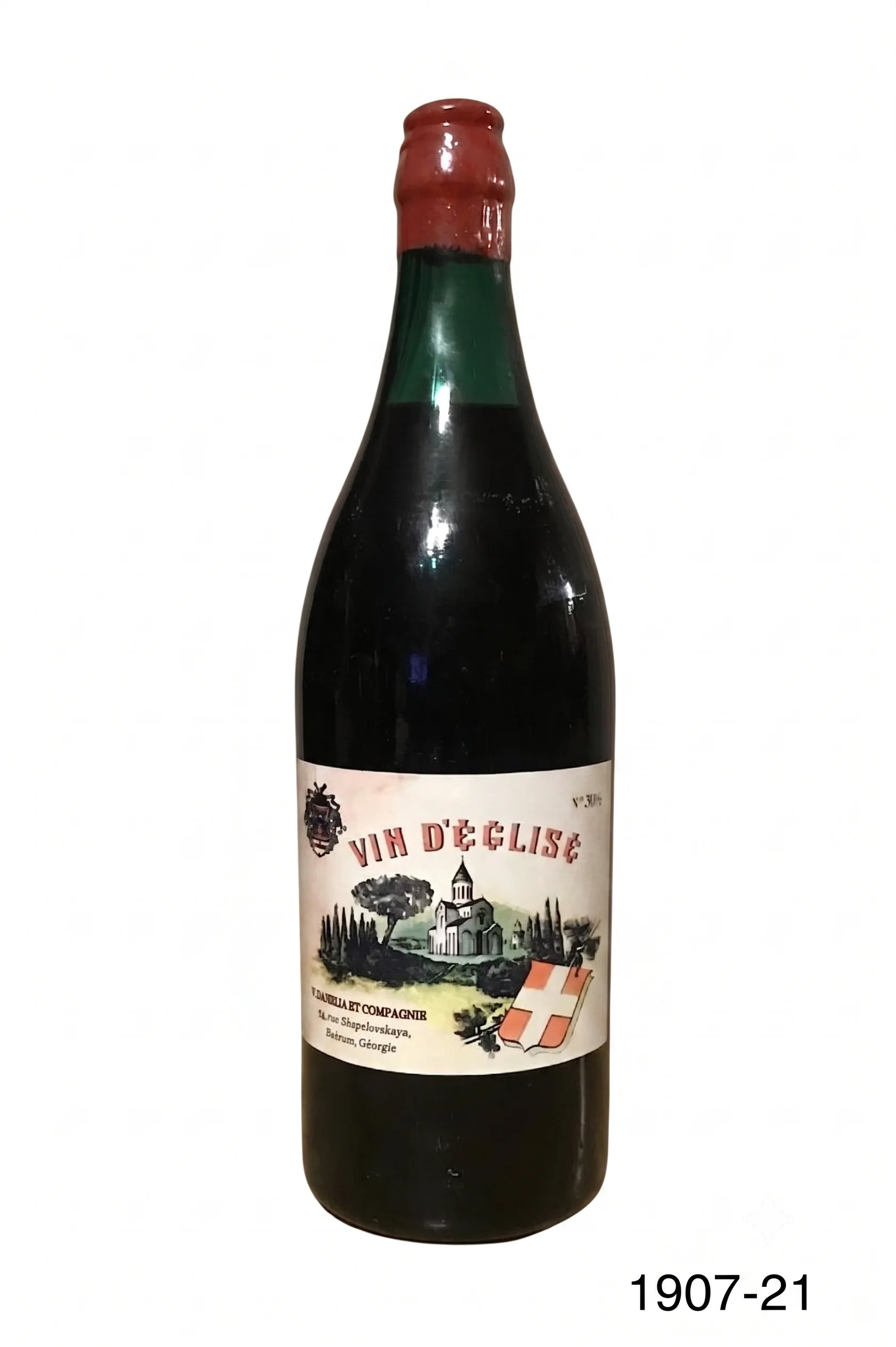
In 1907, Vladimer founded the company "Danelia and Company" in Batumi. He created a distinctive trademark and label (registered in 1907 under №39) depicting a bee alongside the grape clusters — a symbol of the family's centuries-old craft. Vladimer placed two wine bottles on the trademark and printed on their labels, in very fine type, the word that became the family talisman — "Shevdzeli" ("I succeeded") — which also served as a reliable safeguard against counterfeiting.
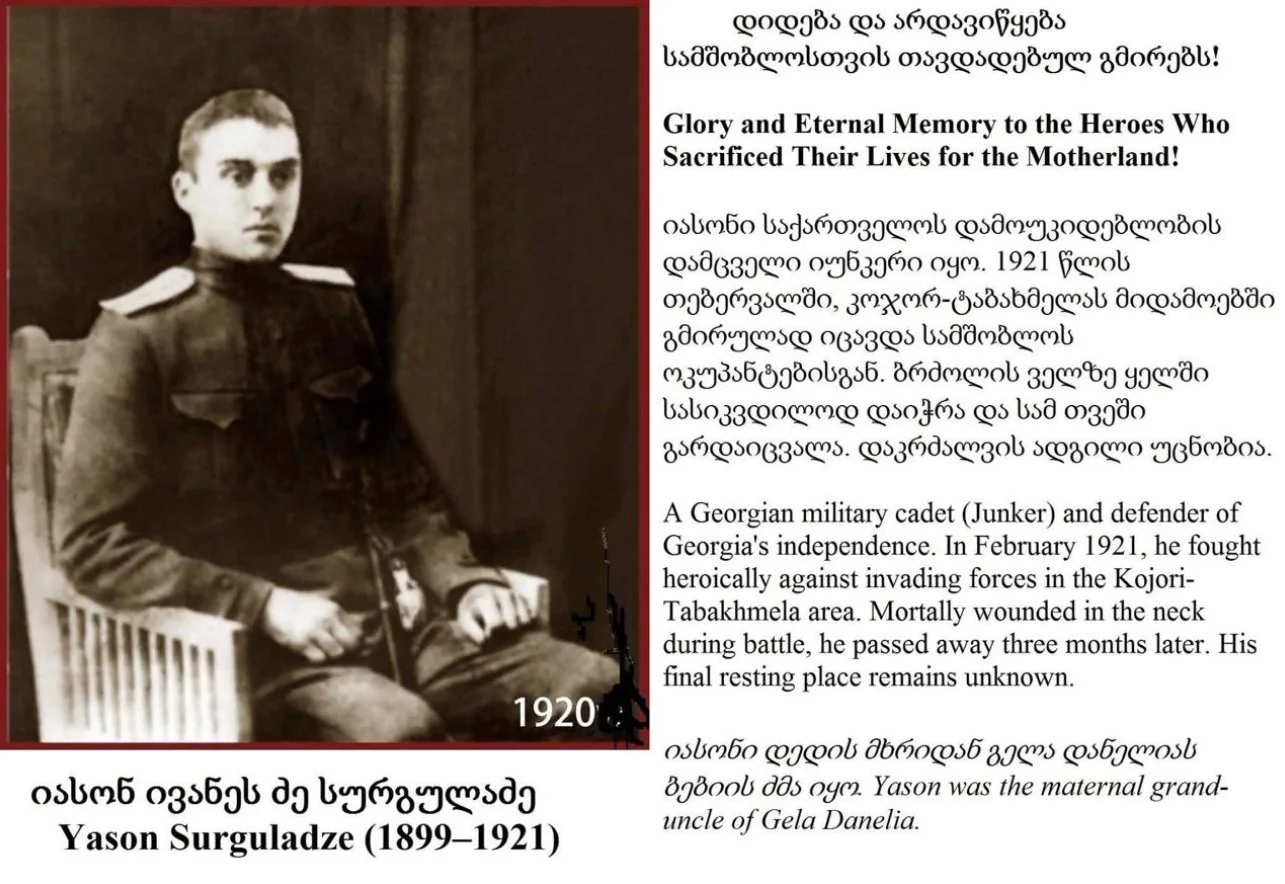
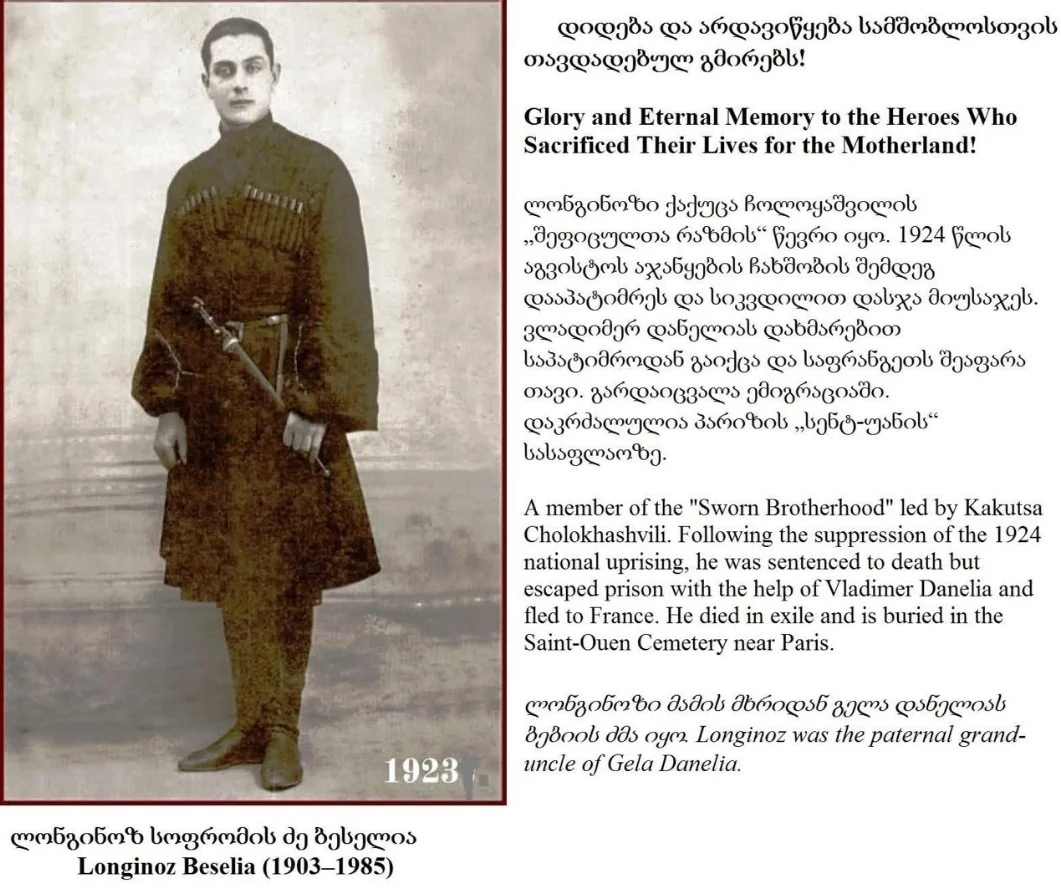
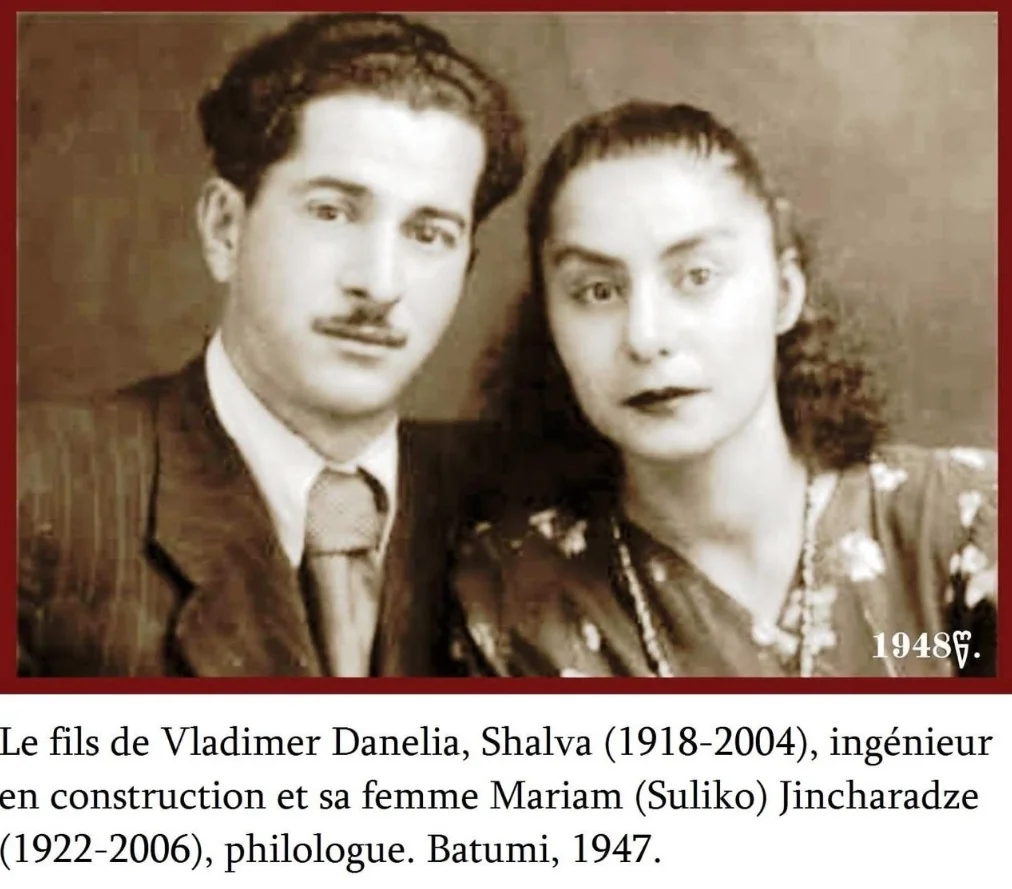
After the Russian-Soviet occupation of 1921, the family's vineyards, factory and shops were confiscated. Despite the repressions and the constant danger, Vladimer's son Shalva Danelia (1918–2004) managed to preserve the technological formula and the family archive and to pass them on to future generations. The history of the brand is closely bound to Georgia's struggle for freedom. The cadet Iason Surguladze (the brother of Gela Danelia's maternal grandmother) fell heroically at Kojori-Tabakhmela in 1921, fighting the occupiers in the defence of Tbilisi. Longinoz Beselia (the brother of Gela Danelia's paternal grandmother) was a member of the "Sworn Men" detachment of the national hero Kakutsa Cholokashvili. The occupiers arrested him and sentenced him to death, but with Vladimer's help he escaped from prison. He died in exile in France and is buried in the Saint-Ouen cemetery in Paris.
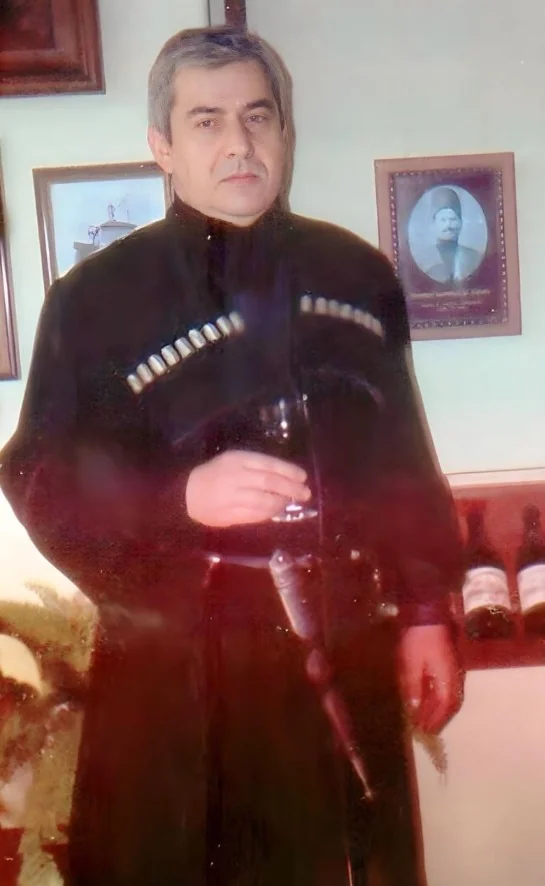
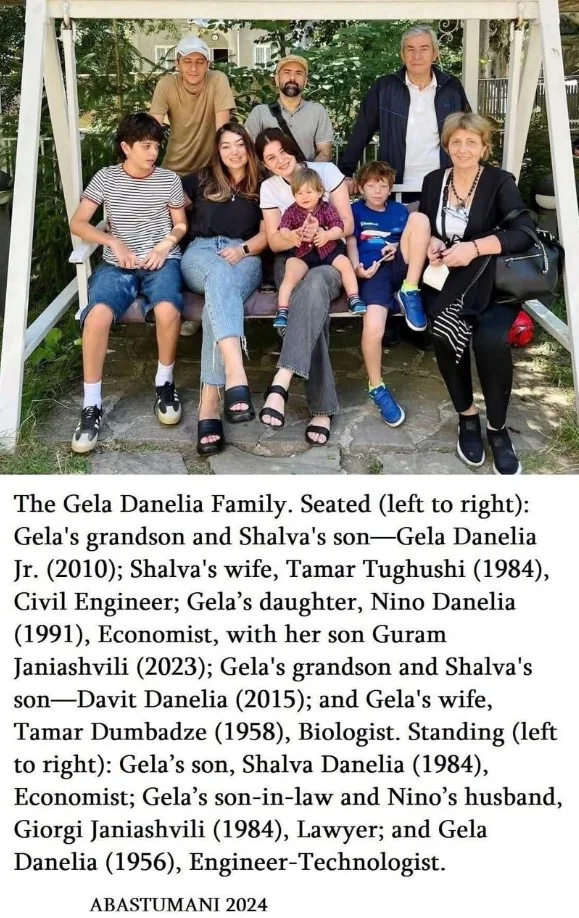
After Georgia restored its independence in 1991, Shalva's son Gela Danelia patented the family technology and revived production. Today the brand is led by his children, Shalva and Nino, while the grandchildren are proudly preparing to carry this century-old heritage forward. What sets the brand apart is its ancestral technology. Treating the wine — which contains more than 500 biologically active micro-elements — with honey and honeycomb (bearing over 200 beneficial substances) increases both the wine's stability and the spectrum of its beneficial properties.

Vladimer Danelia founds "Danelia and Company" and creates its trademark.
Under Soviet occupation, the family safeguards the secret technology and the archive.
Gela Danelia patents the ancestral technology and restarts production.
The fifth and sixth generations continue the tradition, to be taken up in turn by the seventh.
In 2019, by decree of the Government of Georgia, the traditional ancestral technique for making "Danelia's Wine" was granted the status of a Monument of the Intangible Cultural Heritage of Georgia. Notably, within winemaking only the ancient "Qvevri wine" holds a status of comparable standing.
Leading international news agencies — Agence France-Presse (AFP), L'EXPRESS, The Sun Daily, The Japan Times, Yahoo News and others — have published features on the singularity of "Danelia's Wine" under the headline "Georgia goes back to roots in wine-making renaissance".
"Danelia's Old Wine House" — "living history that shapes the future": the flagship shop and museum at 43 Z. Gamsakhurdia St in the historic centre of Batumi, founded by Vladimer Danelia in 1907, is the oldest operating wine shop in Georgia. It is a singular space where past and present meet. Museum pieces from 1907–1921 are preserved here.
For its outstanding contribution to tourism, in 2025 "Danelia's Old Wine House" was honoured with the special prize of the Tourism Department of Adjara — "Magnolia 2025".

This Order grants the status of a "Monument of Intangible Cultural Heritage" to the traditional patrimonial technique of making Danelia wines (4 sections).
Read More